
Gum Disease Treatment Adamsville
Stop Gum Disease Before It Destroys Your Teeth and Health with Expert Periodontal Treatment in Adamsville, TN
Eliminate bleeding gums, prevent tooth loss, and protect your overall health with comprehensive gum disease treatment that addresses infection, restores healthy tissues, and preserves your natural teeth for life.
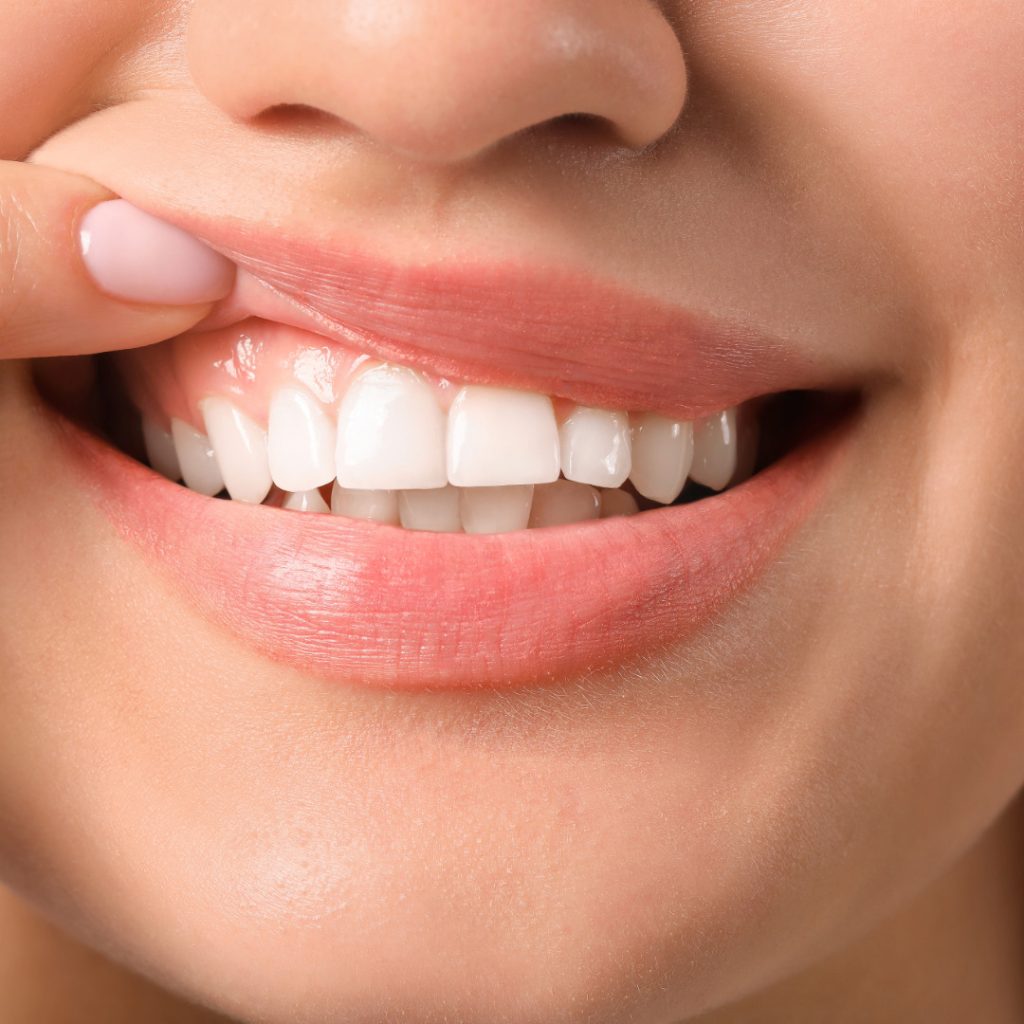
Critical Benefits of Professional Gum Disease Treatment
- Stop Tooth Loss: Prevent the leading cause of adult tooth loss through effective periodontal therapy
- Eliminate Bleeding Gums: End painful, swollen, and bleeding gums that interfere with daily life
- Prevent Serious Health Complications: Reduce your risk of heart disease, stroke, and diabetes complications
- Fresh Breath Confidence: Eliminate persistent bad breath caused by bacterial infection
- Pain Relief: Stop the discomfort and tenderness associated with inflamed gum tissues
- Preserve Bone Structure: Prevent jaw bone loss that affects facial appearance and tooth stability
- Early Intervention: Catch and treat gum disease before it becomes severe and irreversible
- Non-Surgical Options: Conservative treatments that avoid the need for gum surgery in many cases
- Improved Overall Health: Better oral health contributes to better systemic health and wellness
- Long-Term Savings: Prevent expensive tooth replacement procedures through effective prevention
Understanding Gum Disease: The Silent Destroyer
Gum disease, also known as periodontal disease, is a bacterial infection that affects the tissues supporting your teeth, including gums, ligaments, and bone. Dr. Deaton understands that gum disease is often called a “silent disease” because it can progress significantly without obvious symptoms, making professional evaluation and treatment crucial for maintaining oral health.
The disease begins with gingivitis, a mild form of gum inflammation caused by bacterial plaque buildup along the gum line. If left untreated, gingivitis progresses to periodontitis, a more serious condition that destroys the tissues and bone supporting teeth, ultimately leading to tooth loss.
Gum disease affects over 80% of adults to some degree, making it more common than tooth decay. Despite its prevalence, many people are unaware they have gum disease because early stages often produce minimal symptoms that are easily ignored or attributed to other causes.
The bacterial infection associated with gum disease doesn’t stay confined to the mouth. Research has established clear links between gum disease and serious systemic health conditions including heart disease, stroke, diabetes, respiratory disease, and pregnancy complications.
Early detection and treatment of gum disease can reverse the damage and prevent progression to more serious stages that require extensive treatment or result in permanent tooth loss.
Stages of Gum Disease Development
Healthy gums are firm, pink, and don’t bleed during normal brushing or flossing. They fit snugly around teeth and provide a protective barrier against bacterial invasion of deeper supporting structures.
Gingivitis represents the earliest stage of gum disease, characterized by red, swollen gums that bleed easily during brushing or flossing. This stage is completely reversible with proper professional treatment and improved home care.
Early periodontitis involves the formation of pockets between teeth and gums as infection spreads below the gum line. Bacteria and toxins begin destroying the ligaments and bone that support teeth, though damage may still be limited.
Moderate periodontitis shows deeper pocket formation and more significant bone loss around teeth. Teeth may begin to feel loose or shift position as their support structures are compromised by ongoing infection.
Advanced periodontitis involves severe destruction of supporting tissues and bone, with teeth becoming loose or requiring extraction. At this stage, extensive treatment is needed to save remaining teeth and restore oral health.
Warning Signs and Symptoms
Bleeding gums during brushing or flossing is often the first sign people notice, though many dismiss this as normal or caused by brushing too hard. Healthy gums should never bleed during normal oral hygiene activities.
Red, swollen, or tender gums indicate inflammation and infection that require professional evaluation and treatment. Normal gums should be pink and firm, not puffy or painful to touch.
Persistent bad breath or bad taste that doesn’t improve with brushing, flossing, or mouthwash use often indicates bacterial infection and tissue breakdown associated with gum disease.
Gum recession makes teeth appear longer and may expose sensitive root surfaces, indicating that supporting tissues are being destroyed by infection and inflammation.
Loose teeth or changes in bite relationships suggest significant bone loss around tooth roots, indicating advanced gum disease that requires immediate professional treatment.
Risk Factors and Contributing Causes
Poor oral hygiene allows bacterial plaque to accumulate along the gum line, creating the conditions that lead to gum inflammation and infection. Inadequate brushing and flossing are primary risk factors for gum disease.
Tobacco use significantly increases gum disease risk by reducing blood flow to gum tissues and impairing the immune response to bacterial infection. Smokers are much more likely to develop severe gum disease.
Genetic predisposition plays a role in gum disease susceptibility, with some people being more prone to aggressive forms of periodontal disease despite good oral hygiene efforts.
Medical conditions including diabetes, autoimmune diseases, and conditions that compromise immune function increase gum disease risk and make treatment more challenging.
Hormonal changes during pregnancy, menopause, or puberty can make gums more sensitive to bacterial irritation and increase the risk of developing gum disease.
Professional Gum Disease Evaluation
Comprehensive periodontal examination includes measuring pocket depths around each tooth to assess the extent of infection and tissue destruction. Normal pocket depths are 1-3mm, while deeper pockets indicate disease.
X-rays reveal bone loss around tooth roots that may not be apparent during clinical examination. This imaging helps determine disease severity and plan appropriate treatment approaches.
Bacterial testing may identify specific types of bacteria causing infection, allowing for targeted antibiotic therapy when appropriate for optimal treatment outcomes.
Medical history review helps identify systemic conditions and medications that might affect gum disease development or treatment response, ensuring safe and effective care.
Risk assessment considers all factors that contribute to gum disease to develop personalized prevention and treatment strategies for long-term success.
Non-Surgical Gum Disease Treatment
Scaling and root planing, often called “deep cleaning,” removes bacterial plaque and tartar from tooth surfaces and root surfaces below the gum line. This thorough cleaning eliminates infection sources and allows tissues to heal.
Local antibiotic therapy may be placed directly into infected pockets to eliminate resistant bacteria and promote healing. These medications provide concentrated treatment where it’s needed most.
Antimicrobial rinses and specialized oral hygiene products help control bacterial growth and support healing following professional treatment.
Laser therapy can reduce bacteria levels and promote tissue healing with minimal discomfort. Laser treatment often enhances the effectiveness of traditional cleaning procedures.
Maintenance therapy includes more frequent professional cleanings to prevent disease recurrence and maintain the health achieved through initial treatment.
Advanced Treatment Options
Surgical intervention may be necessary for severe cases that don’t respond adequately to non-surgical treatment. Modern periodontal surgery techniques minimize discomfort while effectively treating advanced disease.
Regenerative procedures can help rebuild bone and tissue lost to gum disease using specialized materials and techniques that promote natural healing and regeneration.
Gum grafting addresses recession and tissue loss by transplanting healthy tissue to areas where gums have been destroyed by disease or trauma.
Pocket reduction surgery eliminates deep infected pockets that cannot be cleaned effectively, making long-term maintenance more manageable and successful.
Laser-assisted procedures provide minimally invasive options for treating gum disease with reduced discomfort and faster healing compared to traditional surgical techniques.
The Connection Between Gum Disease and Overall Health
Cardiovascular disease risk increases significantly with gum disease, as bacteria from infected gums can enter the bloodstream and contribute to heart disease and stroke development.
Diabetes complications are worsened by gum disease, which can make blood sugar control more difficult while diabetes makes gum disease more severe and harder to treat.
Respiratory problems may be aggravated by oral bacteria that can be aspirated into the lungs, potentially causing or worsening pneumonia and other respiratory infections.
Pregnancy complications including premature birth and low birth weight babies have been linked to maternal gum disease, making periodontal health crucial during pregnancy.
Immune system function can be compromised by chronic gum infection, leaving the body more susceptible to other infections and diseases.
Preventing Gum Disease Progression
Excellent oral hygiene including proper brushing technique and daily flossing removes bacterial plaque before it can cause gum inflammation and infection.
Professional cleanings every 3-6 months remove plaque and tartar that home care cannot eliminate, preventing the progression from gingivitis to more serious periodontitis.
Tobacco cessation dramatically improves gum health and treatment outcomes while reducing the risk of developing severe gum disease and oral cancer.
Stress management helps maintain immune function and reduces behaviors like teeth grinding that can worsen gum disease and compromise oral health.
Nutritional support through a balanced diet rich in vitamins and minerals supports immune function and tissue healing necessary for healthy gums.
Maintenance and Long-Term Success
Periodontal maintenance requires more frequent professional cleanings than routine dental visits, typically every 3-4 months to prevent disease recurrence and maintain achieved health.
Home care modification may include specialized brushes, floss, or irrigators designed for patients with gum disease history. Proper technique instruction ensures maximum effectiveness.
Regular monitoring allows early detection of any disease recurrence so intervention can begin immediately before significant damage occurs.
Lifestyle factors including smoking cessation, stress management, and diabetes control support long-term periodontal health and treatment success.
Compliance with recommended care schedules is crucial for maintaining gum health and preventing the return of infection and tissue destruction.
Technology in Gum Disease Treatment
Laser therapy provides comfortable, effective treatment for gum disease with minimal bleeding and faster healing compared to traditional surgical techniques.
Digital imaging allows precise assessment of bone levels and treatment progress while minimizing radiation exposure compared to traditional X-rays.
Ultrasonic scaling devices remove tartar and bacteria more effectively and comfortably than traditional hand instruments alone.
Antimicrobial photodynamic therapy uses light-activated drugs to eliminate bacteria in infected pockets without damaging healthy tissues.
Computer-guided treatment planning ensures optimal outcomes for complex periodontal procedures while minimizing treatment time and discomfort.
Managing Gum Disease During Pregnancy
Pregnancy gingivitis affects many expectant mothers due to hormonal changes that make gums more sensitive to bacterial irritation. Professional treatment can safely manage these changes.
Safe treatment protocols ensure that necessary periodontal care can be provided during pregnancy without risks to mother or baby. Timing and technique modifications accommodate pregnancy needs.
Preventive care becomes even more important during pregnancy due to the potential links between gum disease and pregnancy complications including premature birth.
Postpartum follow-up addresses changes in oral health that may occur after delivery and ensures continued periodontal health for new mothers.
Education about pregnancy-related oral health changes helps expectant mothers understand the importance of maintaining excellent oral hygiene during this critical time.
Gum Disease in Children and Adolescents
Childhood gingivitis can occur even in young children, making early detection and treatment important for establishing lifelong oral health habits.
Aggressive periodontitis may affect teenagers and young adults, requiring prompt professional treatment to prevent rapid tissue destruction and tooth loss.
Orthodontic considerations become important when gum disease occurs during orthodontic treatment, as brackets and wires can complicate cleaning and disease management.
Prevention education helps children and adolescents understand the importance of oral hygiene and develop habits that prevent gum disease throughout life.
Family history assessment helps identify children at higher risk for gum disease who may benefit from more frequent professional monitoring and preventive care.
Insurance and Financial Considerations
Periodontal treatment coverage varies by insurance plan, with many plans providing good coverage for non-surgical treatment and maintenance therapy.
Medical insurance may provide coverage for gum disease treatment when systemic health connections are documented, particularly for patients with diabetes or heart disease.
Prevention benefits often provide excellent coverage for professional cleanings and maintenance therapy, making ongoing care very affordable.
Early treatment costs are typically much less than the expense of treating advanced gum disease or replacing teeth lost to periodontal disease.
Financing options make comprehensive gum disease treatment accessible for patients without adequate insurance coverage.
Why Choose Adamsville Family Dentistry for Gum Disease Treatment
Dr. Deaton’s comprehensive approach to periodontal care addresses all aspects of gum disease from early detection through advanced treatment and long-term maintenance for optimal outcomes.
Our advanced technology and treatment options provide the most effective, comfortable gum disease treatment available while preserving as much natural tissue as possible.
Located in Adamsville, our practice has helped countless patients overcome gum disease and maintain healthy gums through expert periodontal care and education.
The personalized attention and ongoing support available at Adamsville Family Dentistry ensure that your gum disease treatment provides lasting results and protects your oral and overall health.
Don't Let Gum Disease Destroy Your Smile and Health
Gum disease is a serious condition that won’t improve on its own and will only get worse without professional treatment. Early intervention can reverse damage and prevent serious complications.
The connection between gum disease and serious health conditions makes periodontal treatment an investment in your overall health and well-being, not just your oral health.
Dr. Deaton and our periodontal care team are committed to helping you overcome gum disease and maintain healthy gums through expert treatment and ongoing support.
Take control of your gum health before it’s too late. Call Adamsville Family Dentistry at 731-632-3371 to schedule your comprehensive periodontal evaluation with Dr. Deaton and learn how we can help you overcome gum disease and protect your teeth and health, or schedule your appointment now to receive the expert gum disease treatment that will eliminate infection, restore healthy tissues, and preserve your natural teeth while protecting your overall health from the serious complications that untreated gum disease can cause.

Routine Check-Ups
Regular dental visits help detect issues early, ensuring optimal oral health and preventing major problems.

Professional Cleanings
Our thorough cleanings remove plaque and tartar buildup, reducing the risk of cavities and gum disease.

Tooth-Colored Fillings
We use high-quality, tooth-colored fillings to restore damaged teeth and protect them from further decay.

Tooth Extractions
When necessary, we perform extractions safely and comfortably to maintain overall dental health.