
Dental Bonding Adamsville
Fix Chips, Gaps, and Imperfections Instantly with Artistic Dental Bonding in Adamsville, TN
Transform minor dental flaws into beautiful, natural-looking teeth in a single comfortable appointment using tooth-colored composite resin that blends seamlessly with your smile while preserving your natural tooth structure.
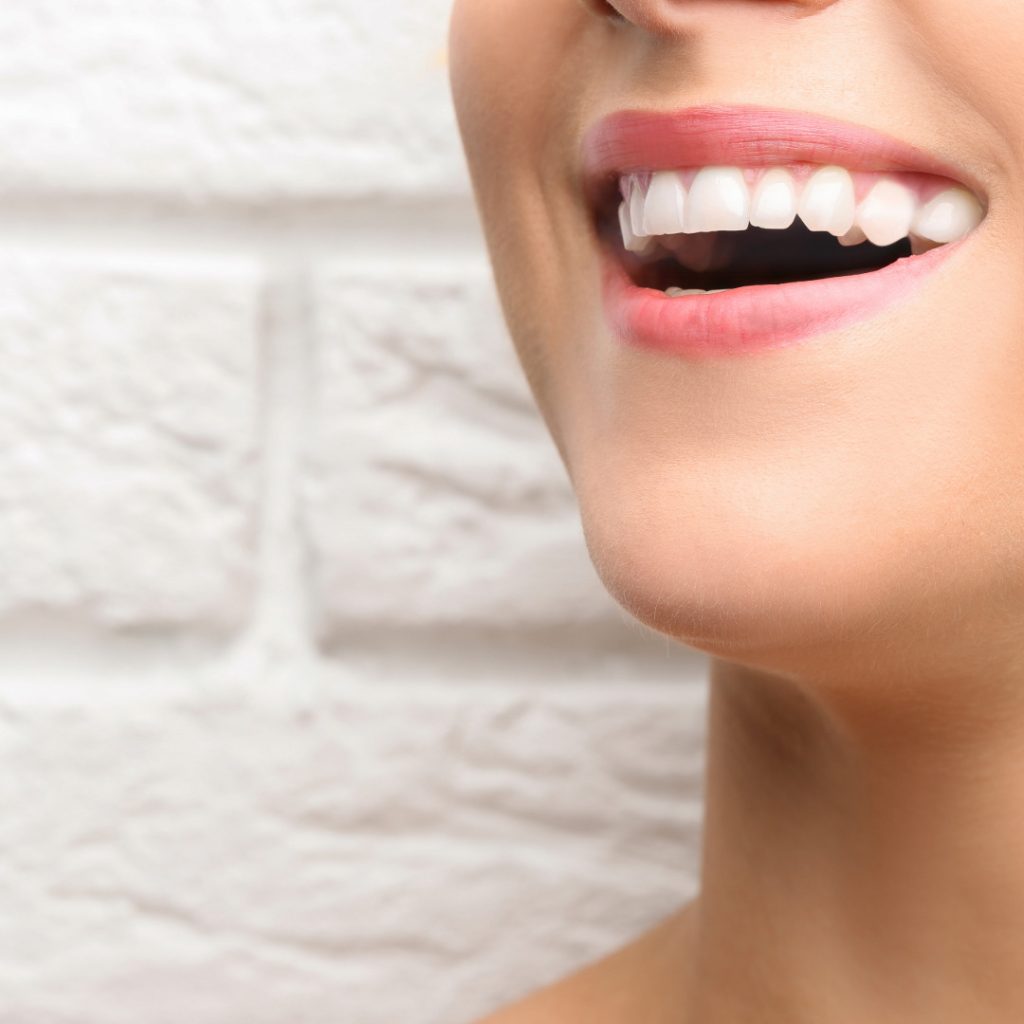
Immediate Smile Enhancement Benefits of Dental Bonding
- Same-Day Results: Complete treatment in a single appointment with immediate improvement
- Conservative Treatment: Preserve natural tooth structure with minimal or no tooth removal
- Natural Appearance: Tooth-colored materials blend perfectly with your existing teeth
- Versatile Solution: Address chips, cracks, gaps, stains, and minor shape irregularities
- Comfortable Procedure: Usually requires no anesthesia for most bonding treatments
- Cost-Effective: Affordable cosmetic improvement compared to veneers or crowns
- Reversible Option: Bonding can be modified or removed without permanent tooth damage
- Quick and Painless: Most bonding procedures completed in 30-60 minutes per tooth
- Immediate Function: Eat and speak normally immediately after treatment
- Artistic Customization: Hand-sculpted results tailored to your unique smile
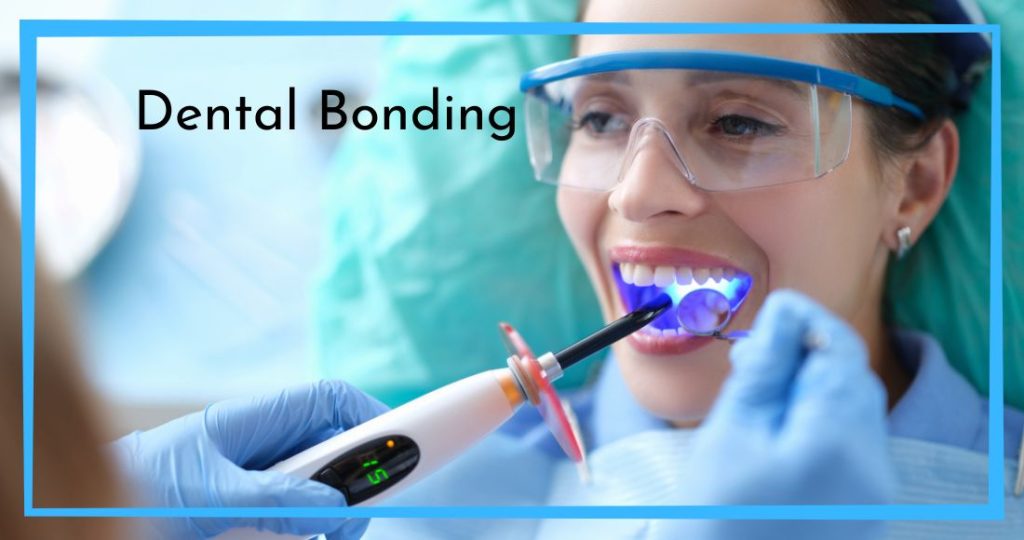
Understanding Cosmetic Dental Bonding
Dental bonding uses tooth-colored composite resin materials to repair and enhance teeth in a single appointment. Dr. Deaton applies and sculpts the bonding material directly on your teeth, creating beautiful, natural-looking results that address various cosmetic concerns.
The bonding process involves applying layers of composite resin that are carefully shaped and hardened with a special light. This technique allows for precise control over the final result, ensuring that bonded teeth blend seamlessly with your natural smile.
Modern bonding materials have evolved significantly, offering improved strength, durability, and color-matching capabilities. These advanced composites can be precisely shade-matched to your natural teeth and maintain their appearance for many years with proper care.
The artistic nature of bonding allows Dr. Deaton to customize each treatment to your specific needs and aesthetic goals. Unlike prefabricated restorations, bonding is sculpted by hand to create unique results that complement your facial features and smile.
Bonding represents an excellent option for patients seeking immediate cosmetic improvement without the time and expense associated with laboratory-made restorations like veneers or crowns.
Ideal Conditions for Bonding Treatment
Minor chips and cracks respond excellently to bonding, which can restore teeth to their original appearance and protect against further damage. Small defects are perfect candidates for conservative bonding repair.
Gaps between teeth can often be closed with bonding, creating more attractive spacing without the need for orthodontic treatment. This approach provides immediate results for minor spacing issues.
Discolored teeth that don’t respond adequately to whitening can be improved with bonding that covers stains and creates uniform color throughout your smile.
Irregularly shaped teeth can be enhanced with bonding to create more attractive proportions and contours. Minor shape improvements can dramatically enhance smile aesthetics.
Worn teeth from grinding or aging can be restored to proper length and shape with bonding that also provides protection against further wear.
The Artistic Bonding Process
Color selection begins the bonding process, with careful shade matching to ensure perfect blending with your natural teeth. Multiple shades may be used to create depth and natural variation.
Tooth preparation is minimal for bonding, typically involving light etching of the tooth surface to improve bonding strength. Most bonding requires no removal of healthy tooth structure.
Layering technique involves applying composite resin in multiple thin layers, allowing Dr. Deaton to create natural-looking depth and translucency that mimics natural tooth enamel.
Sculpting and shaping occur while the material is soft, allowing for precise control over the final form and ensuring optimal aesthetics and function.
Hardening with special lights polymerizes each layer of composite, creating a strong, durable restoration that bonds permanently to your natural tooth.
Advanced Bonding Materials and Techniques
Nano-hybrid composites offer superior strength and polish retention compared to older bonding materials. These advanced materials provide excellent aesthetics with improved durability.
Multi-shade techniques use different composite shades to recreate the natural color variations found in teeth, creating more lifelike results than single-shade bonding.
Micro-brush application allows for precise placement and texturing of bonding materials, enabling creation of natural-looking surface details and anatomical features.
Optical properties of modern composites closely match natural tooth enamel, including fluorescence and opalescence that make bonded teeth look completely natural under all lighting conditions.
Adhesive systems create strong, lasting bonds between composite materials and natural tooth structure, ensuring that bonding restorations remain secure for many years.
Bonding Applications and Uses
Cosmetic enhancement represents the most common use of bonding, addressing minor imperfections that detract from smile beauty. Small changes can create dramatically improved aesthetics.
Protective applications include covering exposed root surfaces or worn areas to prevent sensitivity and further damage while improving appearance.
Restorative bonding repairs cavities in visible areas where tooth-colored fillings are preferred over silver amalgam for aesthetic reasons.
Emergency repairs can often be accomplished with bonding when teeth are chipped or damaged and immediate restoration is needed.
Orthodontic improvements through bonding can address minor alignment issues without the time and expense of traditional orthodontic treatment.
Maintaining Your Bonded Teeth
Daily care for bonded teeth involves gentle brushing with non-abrasive toothpaste and regular flossing to maintain oral health and bonding longevity.
Stain prevention helps maintain bonding appearance by limiting exposure to coffee, wine, tobacco, and other staining substances that can discolor composite materials over time.
Professional maintenance during regular dental visits includes polishing and examination to ensure bonding integrity and optimal appearance.
Dietary considerations include avoiding extremely hard foods that could chip bonding and being careful with sticky foods that might damage restoration edges.
Habit modification such as not biting nails, chewing ice, or using teeth as tools helps prevent bonding damage and extends restoration lifespan.
Longevity and Touch-Up Options
Bonding lifespan typically ranges from 5-10 years depending on location, size, and individual factors. Proper care significantly extends bonding durability and appearance.
Factors affecting longevity include oral hygiene, dietary habits, grinding or clenching, and the size and location of the bonding restoration.
Touch-up procedures can often refresh bonding appearance or repair minor chips without completely replacing the restoration. Regular maintenance helps extend bonding lifespan.
Replacement timing depends on wear, staining, or aesthetic changes that affect bonding appearance or function. Some patients choose to update bonding for purely cosmetic reasons.
Monitoring during regular visits allows early detection of bonding problems and timely intervention to prevent more serious issues.
Bonding vs. Alternative Treatments
Porcelain veneers offer superior durability and stain resistance but require more tooth preparation and higher cost. Bonding provides a more conservative alternative for minor improvements.
Composite bonding can often achieve similar aesthetic results to veneers at a fraction of the cost, making it an excellent option for budget-conscious patients.
Orthodontic treatment addresses alignment issues more comprehensively but requires longer treatment time. Bonding provides immediate results for minor spacing or alignment concerns.
Crown placement is more invasive and expensive but may be necessary for teeth with significant structural damage that exceeds what bonding can address.
Whitening alone may not address all aesthetic concerns, while bonding can improve both color and shape in a single treatment.
Managing Patient Expectations
Realistic outcomes discussion helps patients understand what bonding can and cannot achieve. While bonding provides excellent results for appropriate cases, it has limitations compared to more extensive treatments.
Aesthetic limitations include the fact that bonding may not achieve the same level of perfection as veneers or crowns, particularly for patients seeking dramatic smile transformations.
Durability expectations should be realistic, as bonding materials are not as strong as porcelain and may require more frequent maintenance or replacement.
Color stability is good but not perfect with bonding materials, which may show some staining over time compared to porcelain restorations.
Maintenance requirements including regular check-ups and potential touch-ups should be understood before treatment begins.
Cost-Effectiveness and Value
Bonding investment is typically much lower than veneers or crowns, making it an excellent option for patients seeking cosmetic improvement on a budget.
Insurance coverage for bonding varies depending on whether it’s performed for cosmetic or restorative reasons. Restorative bonding often receives better coverage than purely cosmetic treatments.
Value comparison with other treatments often favors bonding for minor improvements, while more extensive cosmetic concerns might justify investment in veneers or crowns.
Long-term costs include potential touch-ups or replacements over time, though the initial lower cost often makes bonding economically attractive.
Budget-friendly improvements through bonding allow patients to enhance their smiles without significant financial investment.
Special Considerations and Limitations
Size limitations mean that bonding works best for minor to moderate cosmetic concerns. Extensive damage or major aesthetic changes may require alternative treatments.
Location factors affect bonding success, with front teeth being ideal candidates while back teeth may require stronger materials due to higher chewing forces.
Bite relationships must be considered, as bonding in areas of heavy contact may be more prone to wear or fracture.
Patient habits including grinding, clenching, or nail biting may affect bonding longevity and success rates.
Existing dental work may influence bonding outcomes and may need updating to match new bonding restorations.
Technology and Innovation
Digital shade matching ensures accurate color selection for optimal bonding results that blend seamlessly with natural teeth.
LED curing lights provide precise hardening of bonding materials while reducing treatment time and improving restoration strength.
Microscope-enhanced bonding allows for precise application and finishing of bonding materials for superior aesthetic results.
Advanced polishing systems create smooth, natural-feeling surfaces that resist staining and provide comfortable function.
Computer-aided design may be used for complex bonding cases to plan optimal restoration shape and contours.
Repair and Maintenance Procedures
Minor chip repair can often be accomplished quickly without replacing entire bonding restorations, extending their useful life and maintaining aesthetics.
Color touch-ups may be possible for bonding that has become slightly discolored over time, refreshing appearance without complete replacement.
Edge refinishing can smooth rough areas and restore proper contours to bonding restorations that have worn over time.
Professional polishing during regular visits maintains bonding luster and surface smoothness for optimal appearance and comfort.
Preventive care including fluoride treatments may help protect teeth around bonding restorations and extend overall restoration life.
Complex Cases and Multiple Teeth
Smile design considerations become important when bonding multiple teeth to ensure harmonious results that enhance overall facial aesthetics.
Sequencing of treatment may be necessary for complex cases involving multiple teeth to achieve optimal aesthetic results.
Color coordination across multiple bonded teeth requires careful planning and expert technique to ensure uniform appearance.
Bite analysis becomes crucial when bonding multiple teeth to ensure that restorations don’t interfere with normal function.
Full smile bonding makeovers can provide dramatic improvement at a fraction of the cost of porcelain alternatives.
Emergency Bonding Applications
Trauma repair often benefits from immediate bonding to restore aesthetics and protect damaged teeth until more definitive treatment can be planned.
Quick fixes for special events can be accomplished with bonding when patients need immediate cosmetic improvement for important occasions.
Temporary solutions using bonding can protect damaged teeth and maintain function while other treatments are being planned or fabricated.
Same-day results make bonding ideal for emergency cosmetic situations where immediate improvement is needed.
Protective bonding can prevent further damage to chipped or cracked teeth while more comprehensive treatment is being considered.
Patient Education and Aftercare
Home care instructions specific to bonded teeth help patients maintain their restorations and prevent problems that could affect longevity.
Dietary guidance helps patients understand which foods and beverages to avoid or consume carefully to prevent bonding damage or staining.
Warning signs education helps patients recognize when bonding problems develop and need professional attention.
Maintenance scheduling ensures that bonded teeth receive appropriate professional care to maintain appearance and function.
Touch-up procedures can often be performed quickly and economically to maintain bonding appearance over time.
Artistic Considerations
Natural tooth anatomy must be understood and replicated in bonding to create results that look completely authentic and blend with existing teeth.
Surface texture creation using specialized instruments helps bonding restorations feel and look natural.
Color layering techniques create depth and vitality in bonding restorations that mimic the complex optical properties of natural teeth.
Proportion and symmetry considerations ensure that bonded teeth enhance rather than detract from overall smile aesthetics.
Individual customization allows each bonding restoration to be tailored to the patient’s unique anatomy and aesthetic preferences.
Quality Assurance and Follow-Up
Initial evaluation after bonding ensures proper fit, function, and aesthetics before patients leave the office.
Short-term follow-up appointments allow monitoring of bonding adaptation and early identification of any adjustment needs.
Long-term monitoring during regular dental visits tracks bonding performance and identifies when maintenance or replacement is needed.
Patient satisfaction assessment helps ensure that bonding results meet expectations and identify any concerns that need addressing.
Documentation of bonding procedures and outcomes helps track success rates and identify opportunities for improvement.
Professional Development and Training
Continuing education in bonding techniques ensures that Dr. Deaton stays current with the latest materials and methods for optimal patient outcomes.
Artistic training enhances the cosmetic results achievable with bonding by developing skills in color, shape, and proportion.
Material science knowledge helps in selecting the best bonding materials for each specific application and patient need.
Clinical research participation may contribute to advancing bonding techniques and materials for improved patient outcomes.
Professional networking with other cosmetic dentists helps share knowledge and techniques for better bonding results.
Why Choose Adamsville Family Dentistry for Dental Bonding
Dr. Deaton’s artistic skills and attention to detail ensure that your bonding results will blend seamlessly with your natural teeth while addressing your specific cosmetic concerns.
Our comprehensive approach to bonding includes careful evaluation, precise color matching, and meticulous application techniques for optimal aesthetic results.
Located in Adamsville, our practice has earned a reputation for beautiful, natural-looking bonding results that enhance patient smiles affordably and conservatively.
The advanced materials and techniques available at Adamsville Family Dentistry ensure that your bonding treatment provides excellent aesthetics with optimal durability.
Transform Your Smile Today with Bonding
Don’t let minor imperfections continue to affect your confidence when simple bonding treatment can provide immediate improvement. Modern bonding materials and techniques create beautiful, natural-looking results.
The conservative nature of bonding makes it an ideal first step in cosmetic dentistry, providing dramatic improvement while preserving your natural tooth structure for future options.
Dr. Deaton and our skilled cosmetic team are committed to creating bonding results that exceed your expectations while providing excellent value for your investment.
Take the first step toward a more beautiful smile with conservative, affordable bonding treatment. Call Adamsville Family Dentistry at 731-632-3371 to schedule your bonding consultation with Dr. Deaton and discover how we can enhance your smile in just one appointment, or schedule your appointment now to receive the artistic bonding treatment that will transform your minor dental imperfections into beautiful, natural-looking improvements that boost your confidence and enhance your smile.

Routine Check-Ups
Regular dental visits help detect issues early, ensuring optimal oral health and preventing major problems.

Professional Cleanings
Our thorough cleanings remove plaque and tartar buildup, reducing the risk of cavities and gum disease.

Tooth-Colored Fillings
We use high-quality, tooth-colored fillings to restore damaged teeth and protect them from further decay.

Tooth Extractions
When necessary, we perform extractions safely and comfortably to maintain overall dental health.